
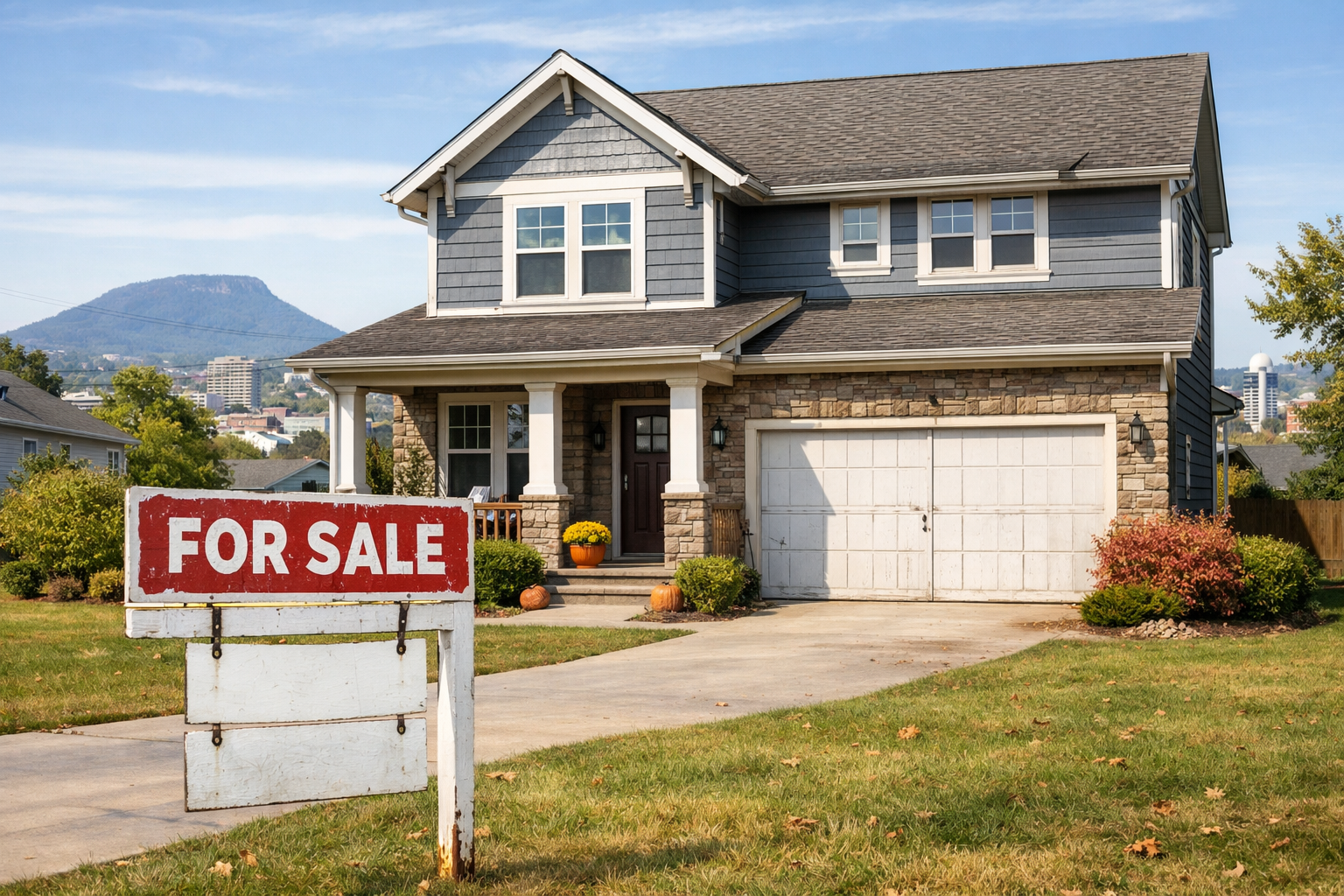
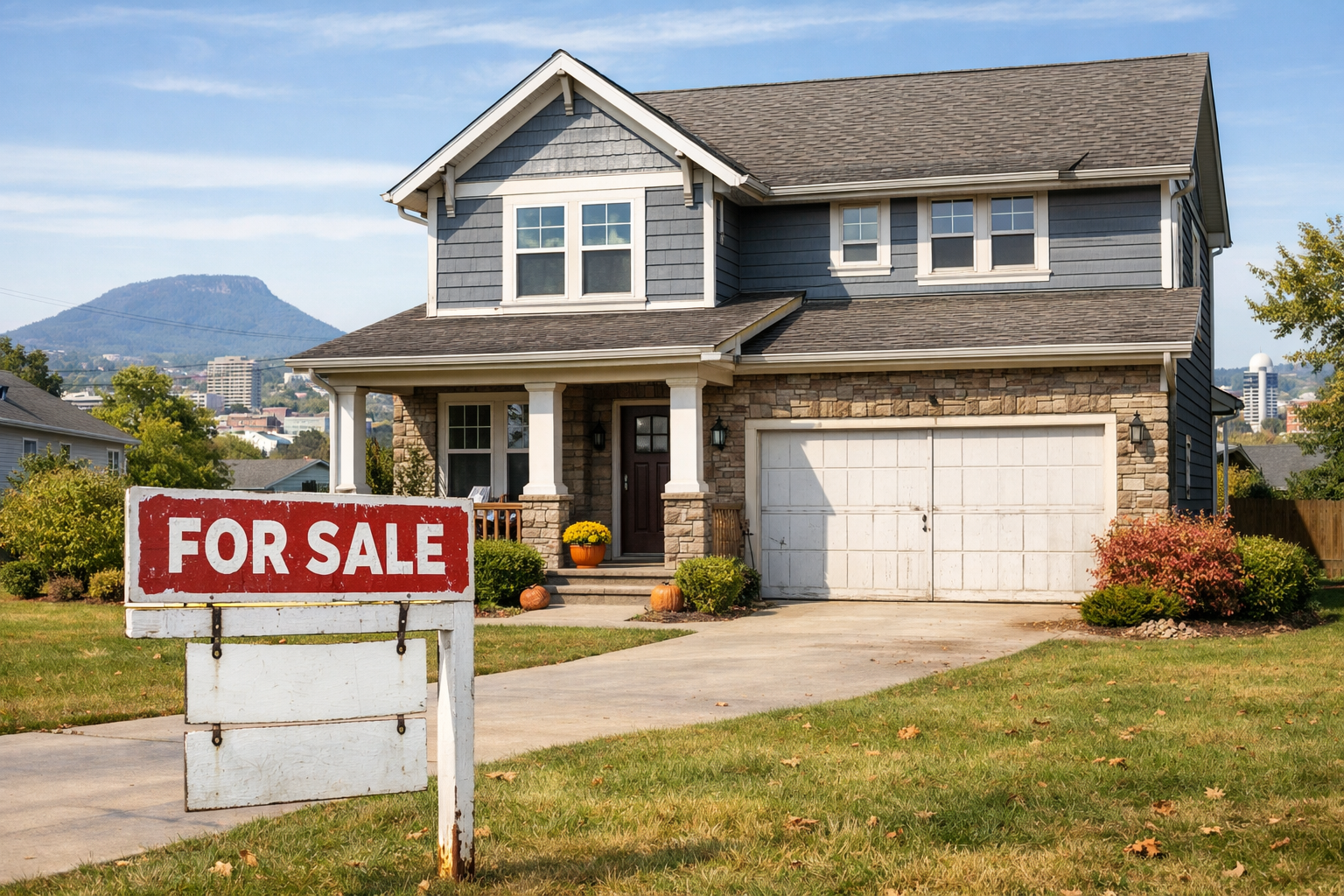
Selling a home in Chattanooga can be an exciting yet challenging process. Many homeowners approach the market with optimism, hoping for a quick sale at a fair price. However, reality often unfolds differently, and some properties remain unsold for months. When a house sits too long on the market, it can disrupt family plans, cause emotional stress, strain finances, and impact various aspects of life by delaying new opportunities and important transitions. Understanding these consequences is crucial for homeowners who want to make informed decisions and avoid common pitfalls.
The first thing to consider when listing your home is the importance of initial impressions, especially curb appeal, as it can significantly influence how quickly your property attracts buyers.
Why Some Homes Sit Too Long on the Market
Several factors can contribute to a home remaining unsold in Chattanooga. Overpricing is a primary reason, as sellers may have unrealistic expectations about their property’s value. Working with a broker can provide professional guidance on pricing and timing, leveraging their market knowledge to avoid homes staying on the market too long. While the housing market in Chattanooga has seen steady growth, homes priced significantly above their market value tend to linger. Additionally, homes with outdated features, noticeable wear and tear, or minor damage often struggle to attract buyers quickly. The condition of the home, combined with the local real estate trends, plays a critical role in determining how fast a property sells.
The exterior of a home is the first thing potential buyers see, making curb appeal and presentation vital. Another factor that can prolong a home’s time on the market is ineffective marketing. Buyers may wonder if something is wrong with a property that lingers, so addressing visible issues is important. Applying fresh paint can significantly improve curb appeal and attract more interest. Professional photos, accurate listings, and engaging property descriptions are essential for attracting attention. Inadequate or low-quality marketing can make even a well-priced, well-maintained home appear less desirable. Seasonal trends also influence the market, with certain times of the year being slower for real estate activity, further impacting how long a home may remain unsold.
Understanding the Numbers Behind Prolonged Listings
A successful home sale in today’s real estate market starts with a deep understanding of the numbers behind prolonged listings. Real estate professionals, including experienced real estate agents, rely on comprehensive market analysis to pinpoint why some homes stay on the market longer than others. This data-driven approach is essential for sellers who want to attract buyers, sell quickly, and maximize their return on investment.
In the current market, one of the first things real estate agents examine is how similar properties are performing. By analyzing recent sales, current inventory, and average days on market, agents can help sellers set a competitive price that reflects current market conditions. Homes that are priced too high or lack curb appeal often struggle to generate interest from potential buyers, leading to longer listing times and, ultimately, lower sale prices.
Presentation matters just as much as pricing. Data shows that homes featuring professional photography and virtual tours consistently attract more interest and sell more quickly—often at full price or above. These marketing tools create maximum exposure, making the property stand out to both buyers and other realtors searching the MLS. Open houses and targeted social media campaigns can further increase visibility, drawing in a wider pool of interested buyers and creating more opportunities for a successful sale.
For example, a seller who works with a real estate agent to analyze the market and price their house competitively is more likely to receive multiple offers and sell their home quickly. On the other hand, sellers who skip professional marketing or ignore feedback from agents may find their property sitting on the market, resulting in price reductions and less money at closing.
To avoid these pitfalls, sellers should collaborate closely with their real estate agent to review market data, assess the competition, and develop a tailored strategy. Leveraging resources like the MLS, professional photographers, and virtual tours can make a significant difference in attracting buyers and achieving a successful sale.
Ultimately, understanding the numbers behind prolonged listings empowers sellers to make informed decisions, create an attractive and competitive listing, and reach their real estate investing goals. Whether you’re selling your first home or adding to your investment portfolio, a thorough market analysis is absolutely essential for navigating the process and getting the most value from your property.
How a Prolonged Listing Affects Buyer Perception
One of the most significant consequences of a house sitting too long on the market is its effect on buyer perception. Buyers often view properties that have been listed for an extended period with caution. A home that has been on the market for several months can trigger doubts about its condition or value, even if there are no major issues. Prospective buyers may wonder if there are hidden problems or if the seller is unwilling to negotiate. Placing a sign in the yard is a simple but effective way to attract attention and show that the property is actively being marketed, which can help counteract the perception that something is wrong with the home. This perception can make the home less attractive and result in fewer offers.
In Chattanooga’s competitive real estate environment, buyers have many options, and properties that linger risk being overlooked in favor of newer listings. Keeping the home free of personal items and clutter can help create a more inviting atmosphere and improve buyer perception. A long listing history may also empower buyers to make lower offers, believing that the seller is desperate to sell. This can directly impact the final sale price, potentially reducing the financial outcome for the homeowner.
Financial Consequences of Extended Time on Market
The financial impact of a property sitting too long on the market can be substantial. Homes that remain unsold not only incur ongoing costs, such as property taxes, utilities, insurance, and maintenance expenses, but also force sellers to spend more on these costs the longer the home is listed. This extended time on the market often results in less money at closing. Additionally, sellers may need to invest in repairs, updates, or staging efforts to make the property more appealing, further increasing the cost of keeping the home on the market. Sometimes, adopting a ‘paid’ strategy—such as offering incentives or pricing aggressively—can help attract motivated buyers early and avoid these prolonged expenses.
Another financial consequence is price reduction. As time passes, sellers may feel pressured to lower the asking price to attract buyers, which can signal to the market that the home is undesirable and cause it to spend even more time unsold. While price adjustments are sometimes necessary, they can lead to selling below the home’s true market value, resulting in a loss of potential profit. Pricing a home just below fair market value can actually help sellers earn more money and achieve a better deal by generating more interest and competitive offers. For homeowners in Chattanooga who are looking to maximize their return, being flexible with negotiations can make the deal more attractive to buyers and increase the likelihood of a successful closing. Avoiding a prolonged listing is essential to maintain financial control and ensure the best possible outcome.
Emotional and Psychological Effects on Sellers
Selling a home is often a deeply personal and emotional experience. When a house sits too long on the market, homeowners can experience stress, anxiety, and frustration. The uncertainty of when or if the property will sell can take a toll, especially for those who have already relocated, purchased a new home, or need to move for work or personal reasons. The pressure to reduce the price or make additional concessions can add emotional strain, making the process feel overwhelming.
In some cases, homeowners may lose confidence in their ability to sell, leading to hesitation in negotiations or decisions. This can further delay the sale and contribute to a cycle of frustration. Recognizing these emotional impacts can help sellers seek solutions and strategies to sell efficiently, minimizing stress and maintaining a positive outlook during the process.
Impact on Marketing and Listing Strategy
A home that has been on the market for an extended period requires a revised marketing approach. Real estate agents have the knowledge and resources to market homes for maximum exposure and can assist in addressing necessary repairs before listing. Open houses and targeted marketing efforts can generate valuable leads, which agents can follow up on to increase the chances of a sale. Monitoring feedback from showings and the market can provide insights into whether the price or presentation needs adjustment. Real estate agents often recommend updating listing photos, refreshing property descriptions, or even making small improvements to increase appeal. A stagnant listing can lose visibility on search platforms, as buyers tend to focus on newer listings. Re-energizing the marketing strategy is crucial to regain interest and attract serious buyers, and quality service from both agents and reputable lenders ensures a smooth transaction for all parties involved.
In Chattanooga, where the market can be competitive, strategic adjustments are particularly important. Agents may suggest professional staging, virtual tours, or social media campaigns to reach a broader audience. While these efforts can help, they also come with added time and expense, highlighting the importance of pricing and marketing correctly from the start.
How Market Conditions Affect Time on Market
Local market conditions play a major role in how long homes stay on the market. Chattanooga’s real estate market has experienced fluctuations in demand and inventory, impacting selling timelines. In periods of high inventory or slow buyer activity, even well-maintained homes may face longer listing periods. Conversely, in a seller’s market with strong demand, homes can sell quickly, sometimes in under a week, often with multiple offers. The key point here is that understanding market trends and timing your listing appropriately can make a significant difference and help homeowners make informed decisions to prevent their property from sitting too long.
Additionally, economic factors, such as interest rates, lending conditions, and employment trends, can influence buyer behavior. Sellers need to stay informed about these factors, as they can affect both the number of potential buyers and the speed of the sale.
Strategies to Avoid a Prolonged Sale
Avoiding the consequences of a house sitting too long on the market begins with preparation and strategy. Proper pricing is the most critical factor. Working with a knowledgeable real estate agent who understands Chattanooga’s market allows sellers to set a competitive and realistic price. Accurate pricing increases the likelihood of attracting serious buyers and generating multiple offers.
Homeowners should also focus on the property’s presentation. Clean, well-maintained, and visually appealing homes create a strong first impression. Addressing minor repairs, updating outdated features, and enhancing curb appeal can make a substantial difference in attracting buyers quickly. Professional photography and engaging listing descriptions further support a timely sale.
For sellers looking for an alternative approach, working with a cash home buyer can provide a fast, efficient solution. Cash buyers often purchase homes as-is, which eliminates the need for repairs, showings, or extended negotiations. This option is especially beneficial for homeowners who need to sell quickly or avoid the risks associated with prolonged time on the market.
When to Consider Price Adjustments
Even with proper preparation, some homes may still experience extended listing periods. In these cases, it is important to consider price adjustments thoughtfully. A small reduction in the asking price can reinvigorate interest and attract buyers who previously passed over the property. Timing and strategy are essential to ensure that any adjustments reflect market conditions without unnecessarily undervaluing the home.
Monitoring comparable sales in the Chattanooga area can guide sellers in making informed decisions. Staying flexible and open to adjustments helps prevent homes from languishing on the market, ultimately protecting the seller’s financial and emotional interests.
Conclusion
A house sitting too long on the market can have far-reaching consequences for homeowners in Chattanooga. From financial burdens and reduced sale prices to emotional stress and negative buyer perceptions, the impacts are significant. However, with careful preparation, realistic pricing, strategic marketing, and consideration of alternatives like cash home buyers, sellers can minimize risks and achieve a faster, smoother sale. Understanding the factors that contribute to extended listing periods and proactively addressing them is key to protecting both your investment and peace of mind.
For homeowners in Chattanooga who are concerned about their property sitting too long on the market, taking action early is essential. Whether through professional guidance, market research, or exploring fast-sale options, proactive steps can make all the difference in turning a stagnant listing into a successful sale.
Helpful Chattanooga Articles
- Maximize Your Profits: Selling a Home That Needs Repairs in Chattanooga, TN
- Expert Tips For Downsizing Your Family Home With Kids In Chattanooga, TN
- How To Successfully Sell A House With Tenants In Chattanooga, TN
- How To Utilize A Title Company For Selling Your Home In Chattanooga, TN
- Essential Paperwork For Selling Your Home By Owner In Chattanooga, TN
- How To Navigate And Sell A House With Code Violations In Chattanooga, TN
- Understanding Who Covers Appraisal And Inspection Costs In Chattanooga, TN
- Effective Strategies For Selling A Hoarder House In Chattanooga, TN
- Successfully Selling A Home With Foundation Problems in Chattanooga
- How To Sell Your Home When Behind On Mortgage Payments in Chattanooga, TN
- How To Successfully Sell Inherited House With Multiple Owners In Chattanooga, TN
- Selling My Parents House in Chattanooga, TN
- Homeowners Insurance When Selling A House in Chattanooga, TN
- How to sell an investment property in Chattanooga, TN
- Capital Gains Tax After Selling a House in Chattanooga, TN