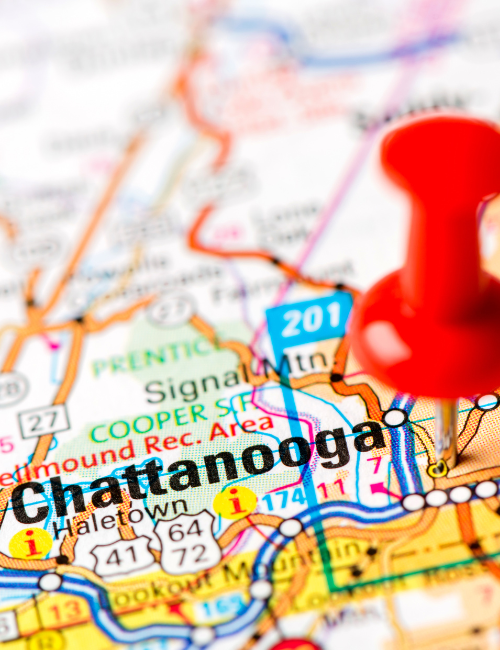
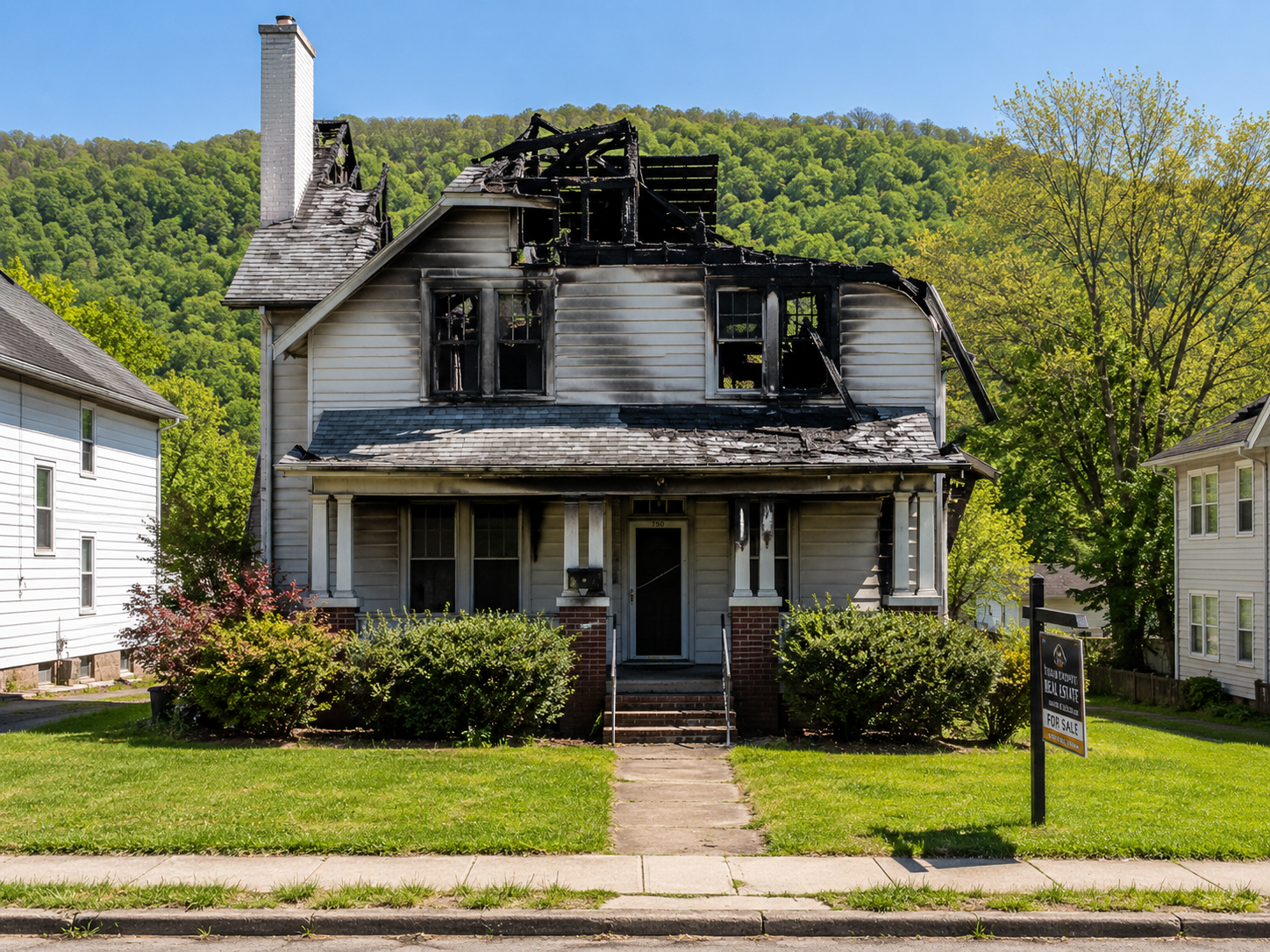
A fire can turn a livable home into a stressful financial problem in a matter of hours. If you’re trying to figure out how to sell fire-damaged house Chattanooga, the good news is you don’t need to repair everything—or sometimes anything at all—to move forward.
Homeowners in Chattanooga often assume they must fully restore a fire-damaged property before selling. That’s not true. You can sell a fire-damaged home Chattanooga as-is, even with smoke damage, structural concerns, or insurance complications still unresolved.
This guide breaks down what actually happens when you sell a fire-damaged house Chattanooga, how buyers evaluate it, and what your realistic options look like in today’s local market.
It’s written for homeowners who don’t want theory—they want clarity and a way out.
Quick Answer: Can You Sell a Fire-Damaged House in Chattanooga?
Yes, you can sell fire-damaged house Chattanooga without making repairs.
Most homeowners in this situation sell in one of three ways:
- Cash home buyers or investors who purchase properties as-is
- Listing on the MLS, usually requiring repairs or heavy discounts
- Insurance-related transfers or settlements (less common for full sales)
The fastest and most predictable option is usually selling to a local cash buyer who specializes in distressed homes. These buyers factor in fire damage, cleanup costs, and structural risk, then make an offer based on the home’s “after-repair value” minus repair expenses.
In Chattanooga, these transactions can close in as little as 7–21 days depending on condition and title status.
What Fire Damage Really Does to a Chattanooga Home’s Value
Fire damage doesn’t just affect what you can see—charred walls or smoke stains. It impacts how buyers and lenders evaluate risk.
In Chattanooga neighborhoods like Brainerd, East Ridge, Hixson, and Highland Park, older housing stock is especially vulnerable because repairs often uncover hidden issues.
Structural concerns matter more than appearance
Even a “small” fire can affect:
- Electrical wiring systems
- Roof framing and insulation
- Foundation integrity from heat exposure
- Plumbing and HVAC systems
- Air quality from lingering smoke particles
Many traditional buyers won’t even tour a fire-damaged house Chattanooga once they hear “smoke damage” or “structural inspection required.”
Insurance complications slow everything down
If your insurance claim is still open or partially paid, buyers get cautious. Some lenders refuse to finance homes with unresolved claims or active damage reports.
According to FEMA’s disaster recovery guidance, fire-damaged properties often require specialized cleanup and inspection before occupancy is considered safe.
https://www.fema.gov
That’s why these homes tend to shift away from traditional buyers and toward investors.
Why Selling As-Is Works Better for Fire-Damaged Homes
Trying to repair a fire-damaged property before selling can backfire financially.
Here’s what homeowners in Chattanooga often discover:
- Repair estimates are higher than expected
- Contractors prioritize insurance-funded jobs first
- Hidden damage appears after demolition begins
- Time delays increase carrying costs (taxes, utilities, mortgage)
When you choose to sell house as-is Chattanooga, you transfer those risks to the buyer.
The real benefit: certainty
Selling as-is isn’t about getting top dollar—it’s about removing uncertainty.
You avoid:
- Repair negotiations
- Inspection surprises
- Months of holding costs
- Contractor delays
For many homeowners, especially those already dealing with insurance stress, that certainty matters more than squeezing out a higher listing price.
How Cash Buyers Evaluate a Fire-Damaged House in Chattanooga
Cash buyers and investors don’t look at your home the same way traditional buyers do.
Instead of focusing on condition, they calculate risk and resale potential.
Here’s a simplified breakdown:
1. After-repair value (ARV)
What the home would sell for if fully repaired in Chattanooga’s current market.
2. Repair costs
This includes:
- Fire restoration
- Smoke remediation
- Structural rebuilds
- Permits and inspections
Fire restoration in Tennessee can vary widely depending on severity, but even moderate damage often runs tens of thousands of dollars.
3. Holding and resale costs
Investors also factor in:
- Time on market
- Financing costs
- Property taxes
- Unexpected repairs during rehab
4. Profit margin
Finally, they subtract their required return.
This is why cash offers are usually below retail value—but they come with speed and certainty.
Step-by-Step: How to Sell a Fire-Damaged Property in Chattanooga
If you decide to sell fire-damaged property Chattanooga, the process is more straightforward than most expect.
Step 1: Assess the condition honestly
You don’t need a full rebuild estimate right away. A basic understanding of visible damage and insurance status is enough.
Step 2: Decide whether to repair or sell as-is
If repairs exceed your budget or timeline, selling as-is usually makes more sense.
Step 3: Request cash offers
Local investors and companies like Dignity Properties specialize in buying distressed homes directly.
Step 4: Review the offer structure
Look for:
- Closing timeline
- Who pays closing costs
- Inspection contingencies (or lack of them)
Step 5: Close and move forward
Most as-is sales close through a local title company once paperwork is cleared.
No staging. No repairs. No waiting for buyers to secure financing.
What You Can Expect to Get for a Fire-Damaged House
Pricing a sell damaged house Chattanooga situation depends heavily on condition, but here’s a realistic range pattern seen in local investor deals:
- Light smoke damage: closer to market value minus repairs
- Moderate fire damage: significantly discounted based on rehab cost
- Severe structural damage: land-value-plus potential only
One thing that surprises homeowners: even severely damaged homes still have value in Chattanooga due to land demand and redevelopment potential.
What matters most is not the fire itself—but location, lot size, and rebuild feasibility.
Common Mistakes Homeowners Make After a Fire
After working through dozens of distressed property situations, a few mistakes show up repeatedly:
Over-improving before selling
Spending money on partial repairs often doesn’t increase sale price enough to justify the cost.
Waiting too long
Carrying a damaged property increases financial pressure every month.
Relying only on insurance estimates
Insurance adjusters focus on restoration cost—not market resale strategy.
Listing too early on MLS
Most traditional buyers simply aren’t prepared for fire-damaged inspections and financing issues.
Practical Options for Chattanooga Homeowners
If you’re unsure what to do next, here’s a simple breakdown:
- Want maximum price and time is not urgent → consider full repair and listing
- Want speed and no out-of-pocket costs → sell as-is to a cash buyer
- Want to test the market → get both cash offer and agent opinion
There is no single correct path—only the one that fits your situation.
FAQs: Selling a Fire-Damaged House in Chattanooga
Can I sell a fire-damaged house in Chattanooga without repairs?
Yes. Many homeowners choose to sell as-is to cash buyers who specialize in distressed properties.
Will insurance affect my ability to sell?
It can. Active or unresolved claims may slow traditional financing, but cash buyers usually still purchase.
Do I need to clean the house before selling?
Not necessarily. Many investors buy properties exactly as they are, including debris and smoke damage.
How fast can I sell a fire-damaged home in Chattanooga?
Cash sales can close in as little as 7–21 days depending on title and condition.
Do fire-damaged homes sell on the MLS?
Yes, but they often require repairs or heavy discounts to attract traditional buyers.
What is the biggest factor in pricing?
Repair cost and after-repair value are the main drivers, not just the fire damage itself.
Are there buyers in Chattanooga for severely damaged homes?
Yes. Investors often look specifically for distressed or fire-damaged properties for renovation projects.
Should I repair before selling?
Only if repair costs are low and you have time. Otherwise, as-is sales are often more practical.
Conclusion
A fire-damaged property can feel like a dead end, but in Chattanooga’s market, it rarely is. You can sell fire-damaged house Chattanooga without repairing everything, without waiting months, and without taking on more financial strain.
The key is choosing the route that fits your timeline and stress level—not just the highest theoretical price.
If you want clarity on what your home could sell for as-is, you can reach out to a local buyer and compare options before making a decision.
Start here: Dignity Properties
Helpful Chattanooga Articles
- Maximize Your Profits: Selling a Home That Needs Repairs in Chattanooga, TN
- Expert Tips For Downsizing Your Family Home With Kids In Chattanooga, TN
- How To Successfully Sell A House With Tenants In Chattanooga, TN
- How To Utilize A Title Company For Selling Your Home In Chattanooga, TN
- Essential Paperwork For Selling Your Home By Owner In Chattanooga, TN
- How To Navigate And Sell A House With Code Violations In Chattanooga, TN
- Understanding Who Covers Appraisal And Inspection Costs In Chattanooga, TN
- Effective Strategies For Selling A Hoarder House In Chattanooga, TN
- Successfully Selling A Home With Foundation Problems in Chattanooga
- How To Sell Your Home When Behind On Mortgage Payments in Chattanooga, TN
- How To Successfully Sell Inherited House With Multiple Owners In Chattanooga, TN
- Selling My Parents House in Chattanooga, TN
- Homeowners Insurance When Selling A House in Chattanooga, TN
- How to sell an investment property in Chattanooga, TN
- Capital Gains Tax After Selling a House in Chattanooga, TN